


Click-through rate (CTR) measures how often users who see a link actually click on it. High CTR reflects content relevance, effective messaging, and page quality.
CTR impacts more than just ad campaigns. It affects SEO visibility, organic rankings, and user behavior signals.
Pages with better CTR often rise in search results due to perceived user value.
Improving CTR can significantly increase traffic without creating new content, offering one of the fastest ways to boost results across search and paid channels.
Audit & Identify Underperforming Pages
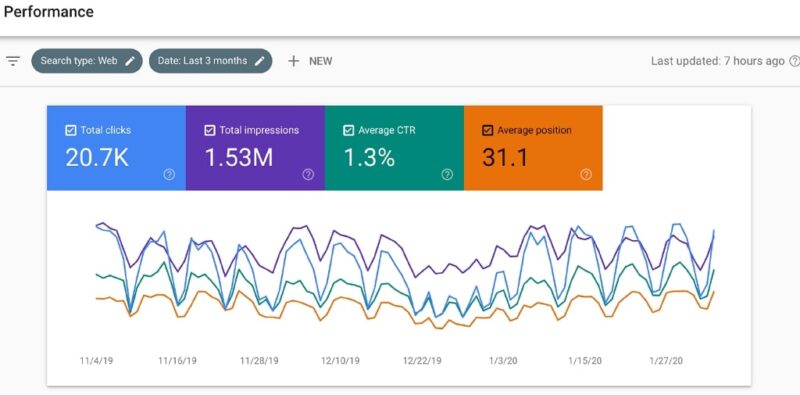
Auditing underperforming pages begins with leveraging Google Search Console. Navigating to the “Performance” tab provides access to data critical for identifying weak spots in visibility and user engagement.
Sort pages by impression volume, then examine how many clicks each one earns. Pages that rank high in impressions but barely receive clicks signal a mismatch between visibility and user interest.
Instead of guessing which pages need help, use data to guide decisions. Sorting pages by CTR percentage uncovers outliers that require immediate attention.
For instance, a page with 15,000 impressions and a CTR of 0.3% is underutilized compared to a page with 500 impressions and a 5% CTR. Low CTR with high impressions signals high potential and low performance. Focus efforts on boosting those metrics.
To better organize the audit, set a baseline using your site’s average CTR. This benchmark creates a frame of reference and reveals how much each underperforming page lags behind the average.
Introduce automation and third-party platforms to save time. An SEO company might use tools such as StoryChief, Buddler, or Screaming Frog to support scalable audits by pulling key insights across content types.
Here’s a list of steps and tools to streamline the audit process:
- Step 1: Open Google Search Console > Performance > Pages
- Step 2: Filter results by high impressions and low CTR
- Step 3: Calculate average CTR across the site
- Step 4: Mark pages falling significantly below that average
- Step 5: Use StoryChief or Buddler to audit metadata, content freshness, and keyword alignment
- Step 6: Prioritize updates for pages with high potential (e.g., content ranking on page one but lacking clicks)
Once weak pages are flagged, group them by keyword intent, content type, and conversion potential.
Updating a product page should differ from refining a blog post or how-to guide.
Avoid making uniform changes across all underperforming content. Instead, identify why a particular page doesn’t connect with users despite ranking impressions.
Leverage Data from Other Channels

High-performing content doesn’t need to start from scratch. Existing assets across marketing channels often contain proven messaging that resonates with your audience.
Pulling insights from PPC campaigns, email subject lines, social headlines, and A/B test results can reveal what actually grabs attention and inspires action.
PPC campaigns are particularly useful because they undergo constant testing and optimization. A title or phrase that consistently draws clicks in paid ads likely contains value propositions that translate well to organic listings.
Email campaigns offer similar insight. Subject lines with high open rates highlight emotional tones or offers that engage your readers.
Repurposing that data into SEO titles and meta descriptions adds efficiency and proven effectiveness.
Here’s how to pull actionable data across channels:
- Review high-performing PPC headlines and descriptions
- Identify value drivers: price, benefits, trust signals
- Note structure: short phrases, power words, benefit-driven leads
- Analyze email subject lines with high open rates
- Look for emotional phrases, curiosity, and urgency
- Borrow tones and expressions that connect
- Audit social media posts with high engagement
- Focus on headlines that generated shares or comments
- Check analytics for top blog titles
- See which phrases brought in organic traffic through direct or referral channels
Once insights are gathered, adapt them to fit SEO constraints:
- Trim length to stay under character limits (60 characters for titles, 155–160 for descriptions)
- Add keywords without weakening clarity or emotional pull
- Make CTA-driven adjustments to suit search behavior
Consistency in messaging across all customer touchpoints builds familiarity.
A visitor who sees a trusted headline in an email and then finds similar phrasing on Google is more likely to click. Reinforcement, not repetition, drives recall.
Improve Titles and Meta Descriptions
Boosting CTR begins at the search engine results page. First impressions matter, and titles with meta descriptions form the entry point to any page.
Strong copy can transform a mediocre CTR into a high-performing result with just a few edits.
Optimize SEO Titles

Titles play a crucial role in capturing attention. Well-crafted headlines are concise, benefit-focused, and keyword-aligned.
Shorter titles often outperform longer ones because users skim results quickly, especially on mobile devices.
To create titles that drive results, consider using formatting techniques that naturally catch the eye. Parentheses and brackets, as well as numbers, break visual monotony and add structure.
For example:
“5 Proven Ways to Cut Costs [Free Checklist]” suggests value, structure, and action.
Avoid using exaggerated, misleading phrases. Clickbait leads to short-term gains but long-term trust issues.
Instead, keep promises made in the title and deliver value without sensationalism.
Here’s a quick checklist to follow when crafting SEO titles:
- Include the primary keyword near the beginning
- Keep it under 60 characters for better visibility
- Use numbers or brackets for structure and emphasis
- Write benefits, not features — highlight what users gain
- Stay consistent with the content of the page
Leverage headline tools like CoSchedule Headline Analyzer or Sharethrough Headline Optimizer to refine messaging.
Write Actionable Meta Descriptions
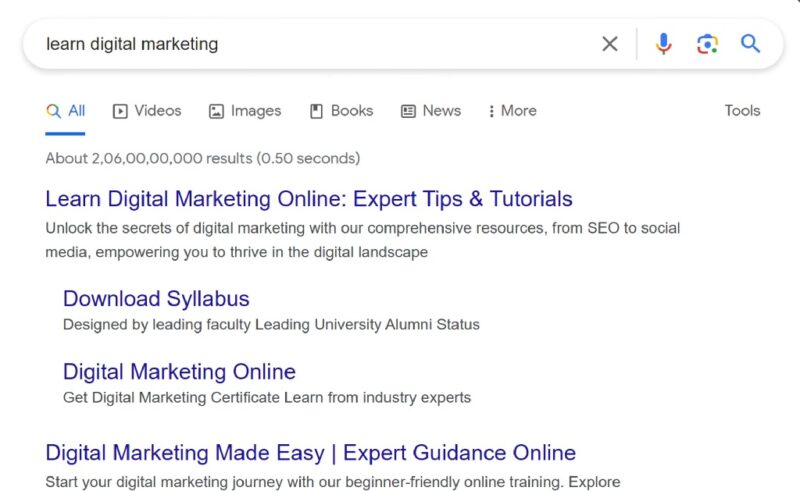
Meta descriptions don’t directly affect rankings, but they strongly influence CTR. Think of them as short, persuasive sales pitches.
The right phrasing encourages clicks and conveys credibility within a 155–160 character window.
Effective descriptions use active language. Verbs such as “Discover,” “Learn,” “Get,” or “Start” prompt users to take immediate action. Pair these with benefits or value propositions to build anticipation.
Psychological and emotional triggers work particularly well here. Creating a sense of urgency can prompt faster decisions. If an offer is limited or a solution is time-sensitive, mention that clearly.
Consider these tips for building strong meta descriptions:
- Start with an action verb to generate momentum
- Include emotional triggers such as urgency or FOMO
- Mention what sets you apart (e.g., free trial, no risk, award-winning)
- Use language that connects with the audience’s goal or problem
- Match tone and message with your page content
Examples:
- “Start saving today with our no-hassle budgeting plan.”
- “Only a few slots left for our free webinar – reserve now.”
Trust signals build confidence. Mentioning well-known partners, warranty policies, or user success stories in meta descriptions helps reduce hesitation and increase clicks.
Descriptions must remain relevant to the page. Misalignment between preview text and actual content creates bounce and erodes credibility.
Users click expecting one thing and leave when they don’t get it. Keep promises made in the search result and deliver quickly.
Align Content with Search Intent
Every search query reflects intent. Users seek information, compare products, or complete transactions.
Failing to address the right intent causes:
- Low CTR
- High bounce rates
- Poor engagement
Improving CTR starts with ensuring the message in titles and meta descriptions aligns with what users want, and that the page fulfills that promise.
Start by reviewing the type of queries leading to impressions. Search Console provides this data under the Queries tab.
Analyze terms triggering low-performing pages and classify them by intent:
- Informational: Queries asking how, why, what (e.g., “how to fix a slow PC”)
- Commercial: Queries comparing or considering (e.g., “best laptops for students”)
- Transactional: Queries intending to act (e.g., “buy SSD online”)
Once the intent category is clear, audit the content to ensure alignment. An informational query should land on a detailed guide or tutorial. A transactional query should lead to a product or service page with a clear CTA.
Use these alignment tactics for better intent matching:
- Ensure metadata reflects actual content — avoid promising one thing and delivering another
- Use tone and structure appropriate to intent — listicles work for quick answers, while product pages should highlight features and pricing
- Update outdated content — Google rewards relevance and penalizes pages that ignore evolving search behavior
Consistency is critical. If a meta title says “Top 10 Laptops for Students,” users expect a numbered comparison, not a block of text without structure. Failure to meet expectations damages trust and lowers conversions.
Use Psychological & Emotional Triggers
Emotions drive decisions. Even in search behavior, logic often takes a backseat to instinct.
Users scroll through search results in seconds, guided by curiosity, fear, excitement, or the promise of gain. Pages that tap into these emotions win clicks and outperform purely factual ones.
CTR improves when headlines and descriptions spark a response. Urgency and exclusivity, for example, make a user feel they might miss out.
Curiosity pushes them to click for answers. Benefits like saving time, avoiding loss, or gaining advantage directly influence behavior.
Here are emotional triggers that consistently increase engagement:
- Urgency: “Offer ends tonight,” “Last chance,” “Only 3 left”
- Curiosity: “What most people don’t know about…,” “You’ll be surprised by…”
- Benefit-focus: “Save $50 with one simple switch,” “Cut your workload in half”
- Security: “Trusted by 10,000+ professionals,” “Guaranteed results or money back”
- Confidence boosters: “Used by industry leaders,” “Tested and approved by experts”
Using emotional language does not mean resorting to manipulation. Authenticity builds loyalty. Phrases should match actual value delivered.
Sensationalized claims may bring a click but increase bounce rates and destroy trust.
Implement Rich Snippets & Schema Markup

Search listings that feature enhanced elements such as review stars, FAQs, or pricing stand out visually. These additions are made possible through structured data using schema markup.
When implemented correctly, schema improves visibility, boosts CTR, and signals relevance to both users and search engines.
Schema markup adds context to a page by wrapping specific pieces of information in a language search engines understand.
It allows Google to display more than just a link and a description; visual cues increase attention and trust, especially for mobile users.
Start with the most impactful types of schema based on page intent. Product pages benefit from review ratings and pricing.
Informational pages see results by featuring FAQs or how-to steps. Local businesses should include location, hours, and contact details.
Here are common schema types that enhance CTR:
- Review schema: Displays star ratings under the result
- FAQ schema: Shows expandable questions and answers
- Product schema: Includes price, availability, and shipping info
- How-to schema: Breaks instructions into steps with visuals
- Event schema: Shows event dates, locations, and ticket availability
- Organization schema: Lists brand details, logo, and contact info
Summary
CTR optimization offers fast growth without reinventing content strategies. Small changes in metadata and structure can unlock performance previously limited by poor engagement.
Efforts should combine technical audits, persuasive writing, emotional cues, and strategic experimentation. Review performance regularly, adapt messaging based on feedback, and stay attuned to user behavior.
Pages that speak directly to intent, earn attention, and deliver on promises consistently outperform the rest. CTR improvements not only drive traffic but also signal higher value to search engines, creating a reinforcing cycle of growth.