


In fleet management, there’s always one question running in the background: “Where are my vehicles, and how are they doing?” Whether you’re running five vans for a plumbing service or coordinating hundreds of long-haul trucks across state lines, staying on top of your vehicles is essential.
And these days, relying on paper logs or phone calls just doesn’t cut it. That’s where GPS and telematics come in. They don’t just show you where your fleet is; they help you get the most out of every vehicle, route, and gallon of fuel.
Let’s break down how these tools work, why they matter, and what kind of results businesses are seeing when they put them to use.
Telematics In a Nutshell
At its core, telematics is a mashup of telecommunications and informatics. Sounds technical, but the idea is simple: it’s about using connected technology to monitor vehicles in real-time. A telematics system combines:
- GPS tracking for precise location updates
- Vehicle diagnostics from the onboard computer (via OBD-II or CAN-BUS ports)
- Driver behavior insights from sensors
- Data transmission to the cloud for analysis and reporting
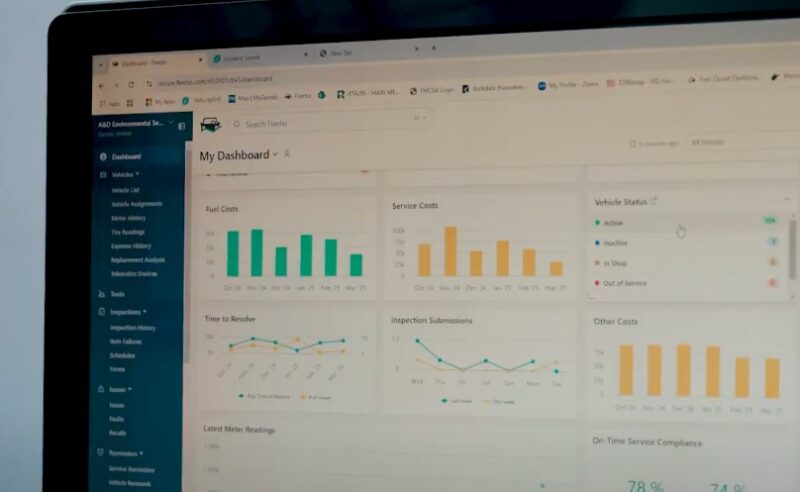
The data doesn’t just sit there. It’s pulled into dashboards and alerts that tell you what’s going right, and what’s not, in your fleet. You get a clear view of everything from fuel use and idle time to speeding events and maintenance needs.
The industry has come a long way since drivers filled out mileage sheets by hand. Today, the telematics market is exploding. According to Allied Market Research, it was worth $50.4 billion in 2018 and is expected to hit $320 billion by 2026.
That kind of growth doesn’t happen without real, measurable value.
How the System Works (Without the Tech Jargon)
Let’s walk through what’s actually in the system.
Data is sent to a cloud platform where fleet managers can view it in dashboards, run reports, and receive real-time alerts. Think of it as your fleet’s command center, and you don’t need a NASA budget to use it.
How Telematics Helps You Organize and Improve Your Fleet
Boosting Productivity Without Adding More Vehicles
If you’ve ever tried to reroute a vehicle on the fly, you know how frustrating it is to work without good data. With telematics, you can:
- See where every vehicle is in real time
- Assign jobs based on location
- Monitor how long stops are taking
- Generate trip reports with distance, time, and fuel data
Say you run a courier service. With telematics, you can immediately assign a last-minute delivery to the driver who’s closest and still has capacity. You’re not guessing, you’re acting on live data.
Example: Toromont Cat, a heavy equipment dealer, used telematics to cut idle time by 20%. That saved them fuel and reduced wear on their engines.
Making the Roads Safer (And Insurance Cheaper)
Driver behavior makes or breaks a fleet’s safety record. Telematics helps you monitor:
- Speeding
- Harsh braking
- Sudden acceleration
- After-hours or unauthorized vehicle use
If there’s an accident, the system can alert you immediately. Some setups even include dash cams to add context – helpful for insurance claims.
Case in point: Mastec, a major utility contractor, reduced accident rates by 30% after using telematics to identify risky behavior and implement better driver coaching.
Keeping Vehicles Healthy and on the Road
Breakdowns are expensive. Not just in repair costs, but in missed jobs, angry customers, and lost productivity. Telematics helps you:
- Schedule maintenance based on actual vehicle usage
- Spot problems early through diagnostic codes
- Reduce unnecessary downtime
If a truck starts showing signs of trouble, your system can flag it before the driver even notices. That’s the kind of proactive maintenance that keeps fleets running smoothly.
Staying Compliant (Without Drowning in Paperwork)
Rules around driving hours, inspections, and fuel tax reporting are no joke. Getting caught out of compliance can cost you. With telematics, you can:
- Use ELDs (Electronic Logging Devices) for Hours of Service (HOS) tracking
- Simplify IFTA reporting with mileage logs
- Schedule and document vehicle inspections
Fueliner, a fuel delivery company, relied on telematics to stay in compliance with HOS regulations and safety inspections. That not only avoided fines but also helped them keep things running during audits.
Integration Makes Everything Work Together
Telematics doesn’t exist in a vacuum. You can link it with:
- Dash cameras for video verification
- Customer relationship management (CRM) tools
- Custom apps tailored to your business needs
This kind of integration helps connect your back office, field teams, and customers. When everything talks to everything else, you spend less time chasing data and more time making smart decisions.
Helping the Planet (And Your Bottom Line)
Let’s talk sustainability. Many companies are under pressure to cut emissions. Telematics can help:
- Optimize routes to reduce fuel burn
- Monitor idling and coach drivers to reduce it
- Track electric vehicle battery levels and charging habits
Cutting fuel use doesn’t just shrink your carbon footprint; it saves you money. Fleet operators often pair route optimization with durable, low‑rolling‑resistance brands like Hubtrac Tires to maximize fuel economy.
Where It’s Being Used
No matter what industry you’re in, there’s probably a way telematics can help. Here’s a quick breakdown:
A landscaping company, for example, might use telematics to plan the most efficient route between job sites, saving hours each week. Or a food delivery service can monitor refrigeration status to ensure goods arrive fresh and safe.
What’s Next for Telematics?

The future is already showing up in the form of:
- IoT integration, linking vehicles to weather, traffic, and warehouse systems
- AI-based predictions for when parts will fail or when to refuel
- Autonomous vehicle support, managing self-driving fleets
- Cybersecurity upgrades, protecting your vehicles and their data
What to Keep in Mind Before Jumping In
There’s a lot to love about telematics, but it’s not a plug-and-play silver bullet. Here are a few things to think through:
- Upfront Costs: Hardware, software, and training take investment. But long-term savings on fuel, maintenance, and insurance often outweigh it.
- Data Privacy: Drivers may feel like they’re being watched. Be transparent. Make it clear the goal is safety and efficiency, not micromanaging.
- Training Time: A good system only works if people know how to use it. Invest in training to make sure your team is confident, not confused.
Once you get over the initial curve, most businesses find telematics quickly pays off.
Wrapping It Up
GPS and telematics have quietly become some of the most powerful tools in fleet management.
Whether you’re dispatching delivery vans or coordinating utility crews, knowing where your vehicles are and how they’re performing changes everything.
You can cut costs, reduce emissions, improve safety, stay compliant, and respond faster.
And with tech evolving rapidly, those benefits are only going to grow. If you’re managing a fleet in 2025, you don’t have to do it with guesswork anymore.
Telematics gives you the clarity to act and the confidence to scale.