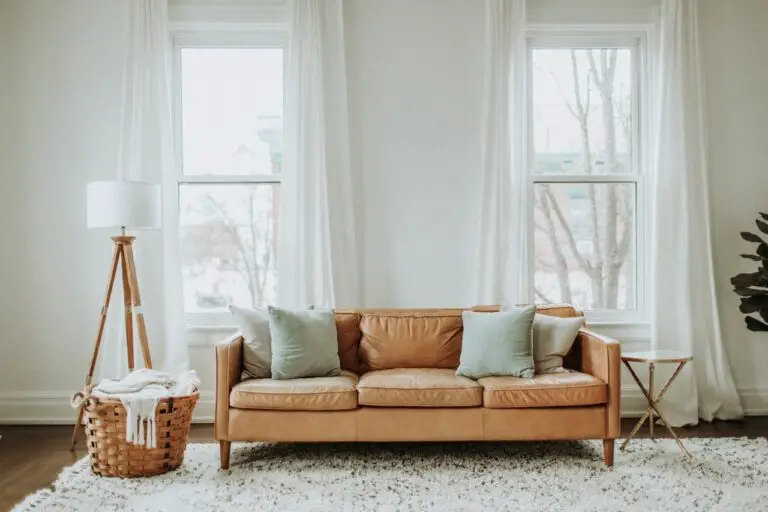


Gardens reflect more than just nature; they reflect the creativity and style of those who nurture them.
Decorative choices shape how outdoor spaces feel and flow, adding harmony and a personal stamp.
Flowers, pots, and sculptures together create layers of artistry, transforming simple plots into spaces that inspire.
The goal is to show how these features can highlight both beauty and imagination, helping homeowners design a setting that feels personal and artistic.
Highlighting Flowers as Decorative Centerpieces
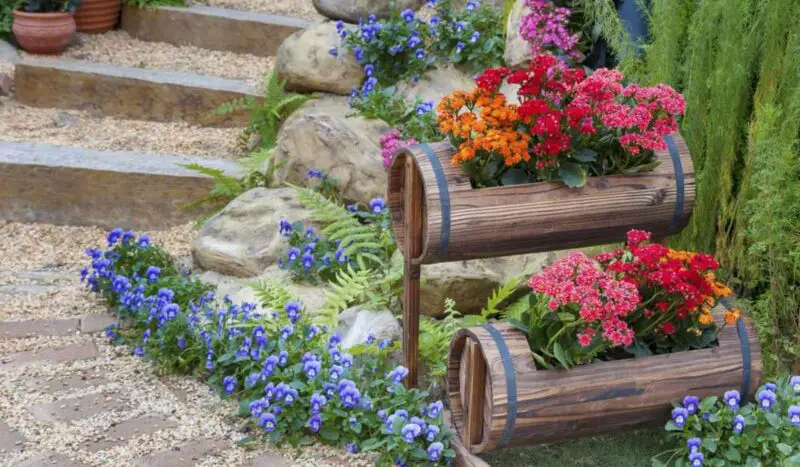
Flowers are more than simple accents in a garden; they serve as the foundation of beauty and mood.
Their colors, fragrances, and textures create an atmosphere that changes with every season.
When combined thoughtfully, flowers can provide structure, balance, and emotional resonance that elevate the overall design.
Centerpieces built around flowers turn ordinary outdoor spaces into artistic expressions, blending natural energy with personal creativity.
Choosing the Right Flower Combinations
Color shapes the tone of any outdoor space.
Strong complementary pairs such as purple and yellow bring vibrancy and energy, while softer analogous blends like pinks and reds create harmony and subtle transitions.
Planning with color theory allows a gardener to set the emotional mood, guiding visitors through areas of calm, warmth, or brightness.
Seasonal planting is equally important. Spring tulips may give way to summer lilies, which transition into autumn chrysanthemums, followed by evergreen textures in winter.
Fragrance adds another dimension. Lavender offers a calming presence, jasmine provides a sweet evening aroma, and roses bring a timeless romantic quality. Selecting flowers for scent as well as color enhances the sensory impact.
- Lavender: soft purple hues and calming fragrance
- Sunflowers: bold height and sunny brightness
- Jasmine: evening scent and delicate white blossoms
- Roses: classic form and layered fragrance
Strategic Planting
Strategic placement determines how flowers influence the experience of moving through a garden. Entrances framed with blooming plants immediately set the mood, inviting visitors into a colorful and welcoming environment.
Pathways lined with flowers lead the eye and encourage exploration, while clusters of vibrant blooms establish focal points that capture attention.
Borders help define areas within a garden, transitioning gently between open lawns, seating areas, or vegetable beds.
Well-placed borders can highlight structure while softening sharp edges.
Large flowering shrubs, when arranged near architectural features, can guide sightlines and anchor visual balance.
Small-scale accents like flower beds around tree bases or corners ensure every section feels intentional.
Careful design allows flowers to do more than decorate—they shape the atmosphere, create rhythm, and enhance movement across the outdoor space.
Pots and Planters as Garden Art
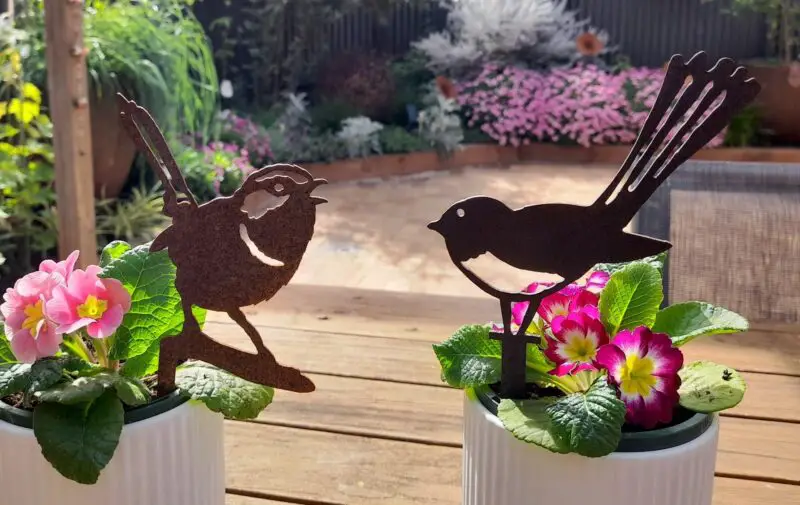
Planters are more than containers for flowers; they act as sculptural pieces that contribute to the visual identity of a garden.
They bring structure to flower arrangements, add height and dimension, and offer flexibility that permanent beds cannot provide.
Decorative Pot Materials and Styles
Choice of pot material influences mood and style. Corten steel provides a contemporary edge with its weathered, industrial look.
Terra cotta brings warmth and tradition, while concrete ensures durability and strength in modern spaces.
Aluminum fits a sleek, minimalist approach, often favored for urban-style gardens. For a personal artistic touch, mosaic pots crafted with broken tiles introduce color and playfulness.
Each material suits specific design goals.
Rustic settings benefit from natural textures like clay or stone, while formal gardens thrive with classic urns and symmetrical planters.
Modern spaces gain character from bold metals or geometric concrete containers.
Pairing plant type with pot style ensures harmony between natural growth and design structure.
- Corten steel: industrial tone with weathered effect
- Terra cotta: warm, traditional option
- Concrete: durable and structured for modern settings
- Aluminum: lightweight and sleek for minimalism
- Mosaic pots: colorful, artistic, and personal
Placement Techniques
Arrangement of pots determines how they interact with the environment. Large planters grouped together can define seating areas, creating cozy corners for relaxation.
Smaller containers work well to interrupt flower beds, adding variation in height and texture.
Containers can also fill awkward spaces, ensuring that no corner feels unused.
Positioning planters at transitions, such as entrances, steps, or path edges, guides the eye and provides structure.
Elevating pots on stands or pedestals gives prominence to smaller arrangements, turning them into focal points.
DIY and Upcycled Pot Ideas
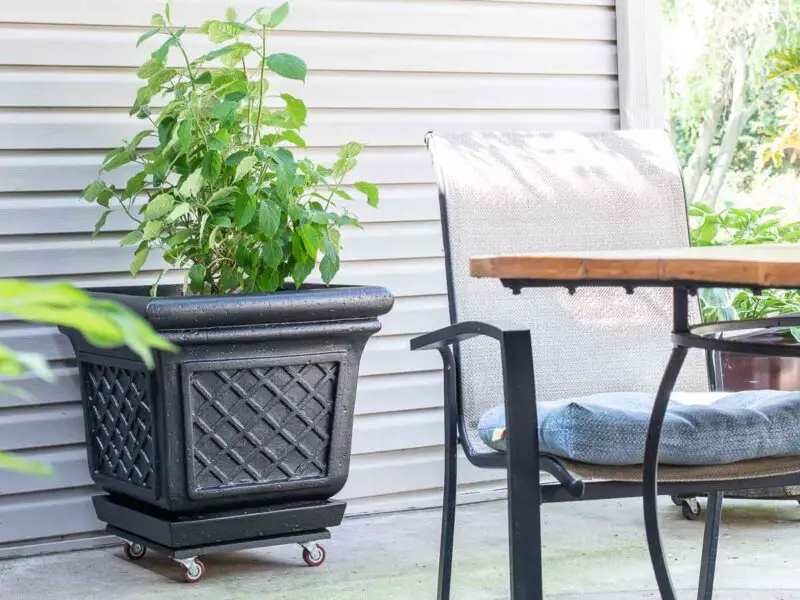
Adding personal creativity transforms simple containers into statement pieces. Broken tiles can be assembled into colorful mosaics, giving plain pots a distinctive personality.
Household items no longer in use, like boots, wooden crates, or teapots, can serve as unconventional planters, offering both sustainability and originality.
Repurposing materials ensures that design reflects personal ingenuity. An old ladder fitted with cascading pots creates a vertical display.
Painted metal buckets add rustic vibrancy. Even discarded construction materials, such as bricks or pipes, can be reinvented as stylish plant holders.
Garden Sculptures: Bringing Personality and Focal Points
Sculptures breathe individuality into outdoor spaces, giving structure and emotion where plants alone cannot.
They serve as storytellers, symbols, and focal anchors that transform the atmosphere.
Some create elegance and sophistication, while others introduce fun, surprise, or motion.
Types of Sculptures
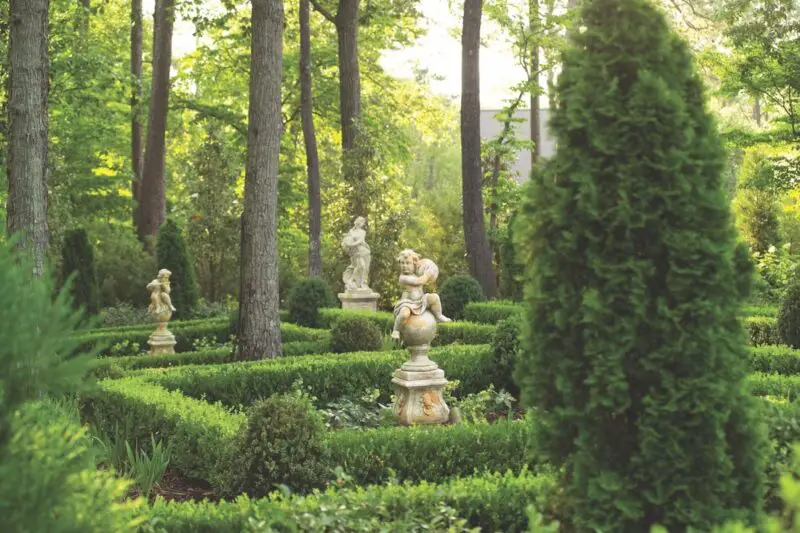
Different forms of sculpture contribute different moods. Classical statues bring grace and tradition, often representing mythological figures or serene maidens.
These provide a sense of permanence and timelessness. Whimsical sculptures, such as animal figures or playful abstract shapes, spark joy and curiosity.
They invite conversation and lighten the tone of the space.
Kinetic sculptures are particularly engaging. Designed to move with the wind or touch, they add life and motion.
Topiaries, shaped shrubs trimmed into animal or geometric forms, also function as living sculptures, bridging art and gardening skill.
- Classical statues: elegance, tradition, and serenity
- Whimsical figures: animals, abstract shapes, playful accents
- Kinetic pieces: moving art that responds to wind or touch
- Topiaries: sculpted greenery combining plant care and artistry
Materials and Durability
Material choice not only affects appearance but also determines how well a sculpture weathers time and climate. Stone such as limestone, granite, or sandstone conveys endurance and gravitas, suited for gardens with formal design.
Metal options like copper, steel, or aluminum provide sharp contrast against natural greenery, enhancing modern aesthetics.
Wood sculptures offer warmth and connection to nature but require protection against moisture.
Rebar, often used in artistic handmade projects, adds raw character with industrial flair.
Selecting materials involves balancing visual preference with durability, ensuring sculptures remain appealing year after year.
Gardeners often combine several materials to create layered textures, uniting permanence with creativity.
Water Features and Sensory Accents
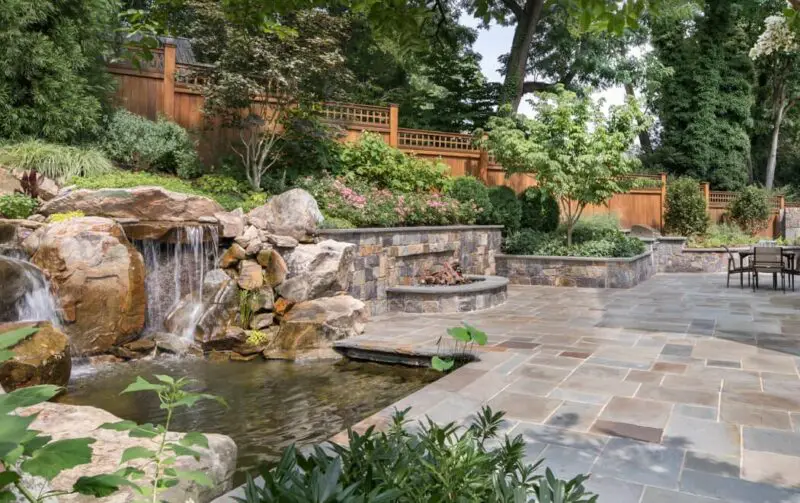
Water paired with sculpture creates dynamic energy. Fountains integrated with statues combine visual art with soothing sound, while ponds bordered by stone figures evoke tranquility.
Large-scale lake and pond fountains can also become signature features, offering dramatic height, motion, and aeration benefits.
Their spray patterns provide visual interest while the sound of moving water adds rhythm and calm.
Even small bowls or basins filled with water bring reflective surfaces that highlight sculpture silhouettes.
Movement of water amplifies atmosphere, introducing both rhythm and sparkle.
The sound of trickling streams calms the mind, while rippling reflections give sculptures added dimension.
Strategic placement of water near planters or sculptural elements enhances their presence, inviting people to linger longer in those areas.
Vertical and Wall Decor
Vertical surfaces often go unused, yet they provide opportunities for artistic display.
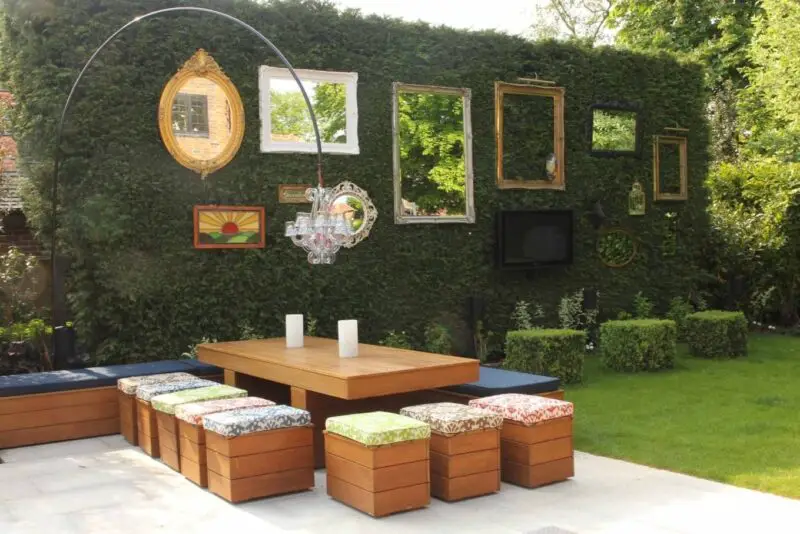
Sculptures mounted on walls, mirrors reflecting greenery, or painted trellises with climbing plants add layers of depth.
Hanging planters with integrated sculptural brackets bring functional and decorative value together.
Elevation also changes perspective. Pots or small statues placed on walls or ledges draw the eye upward, expanding spatial perception.
Vertical design creates interest without occupying floor space, making it practical for compact gardens while still offering artistic variety.
Seasonal and Thematic Adjustments
Adaptability allows sculptures to evolve with the seasons.
Gardeners can rotate accent pieces, pairing statues with seasonal flowers for fresh visual impact.
Neutral or modular sculptures remain relevant year-round, blending easily with both summer blooms and winter evergreens.
Thematic designs give gardens personal resonance. Memorial corners may feature specific sculptures or flowers chosen in remembrance.
Other themes reflect whimsy, history, or culture, shaping spaces that tell stories.
Each adjustment emphasizes individuality, ensuring the garden feels alive and meaningful in every season.
Budget-Friendly and DIY Garden Art
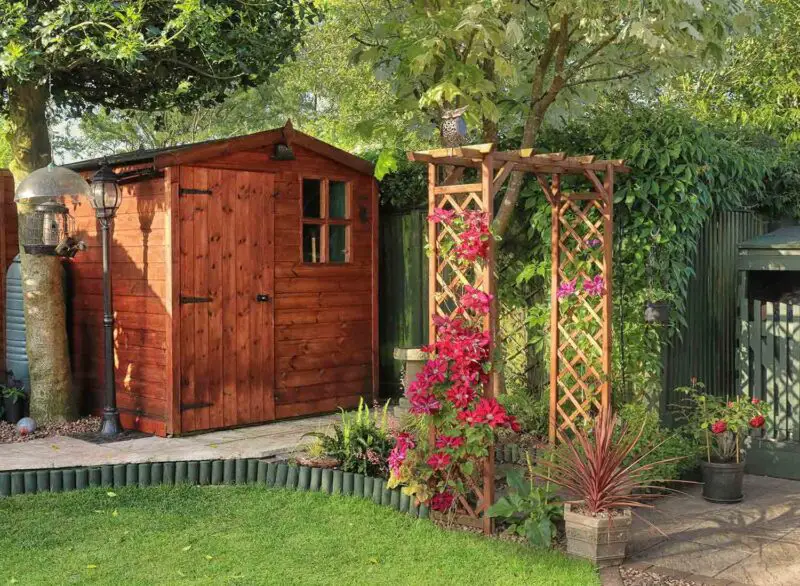
Artistic impact does not always require expensive materials.
Simple paint can refresh older statues, while recycled ceramics or glass can be transformed into mosaic sculptures.
Household items, when creatively repurposed, become artistic features with character and practicality.
Handmade accents, such as painted gates or crafted stepping stones, elevate atmosphere at minimal cost.
Recycled goods like old metal parts can be turned into wind chimes or abstract sculptures, offering originality with an eco-conscious approach.
Gardens enriched with DIY projects reflect personal effort, giving them authenticity and depth that cannot be purchased.
Summary
Gardens flourish when nature and artistry flow together. Flowers bring life, pots provide structure, and sculptures add individuality.
Lighting, water, and personal touches complete the setting.
Experimentation and expression ensure each outdoor space reflects the owner’s personality.
A beautiful garden is more than decoration, it is a living reflection of style, care, and imagination.